
Blog
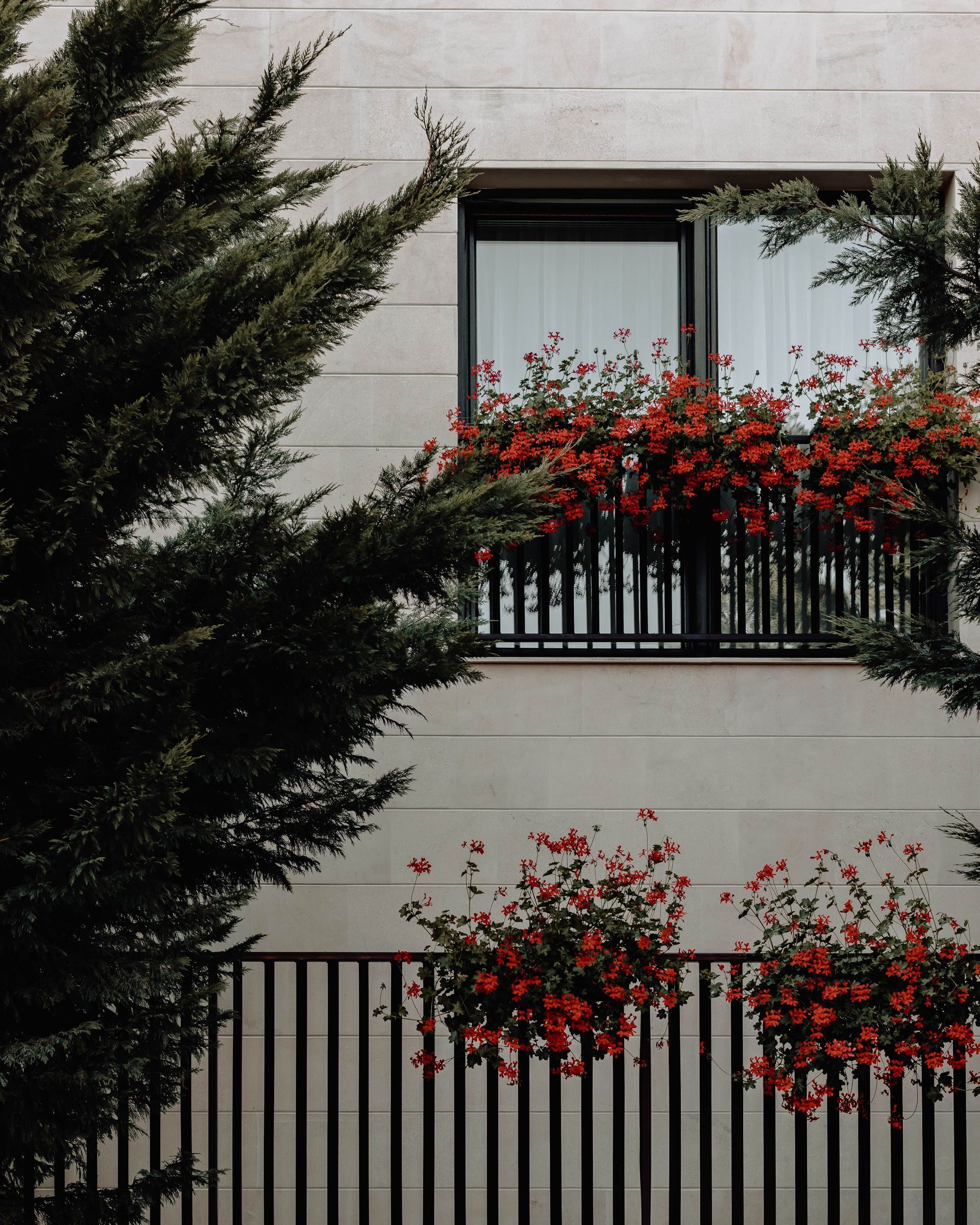
GT Fence provides expert aluminum fence Raleigh NC installation. Durable, weather-resistant, and stylish fencing solutions for residential and commercial properties.
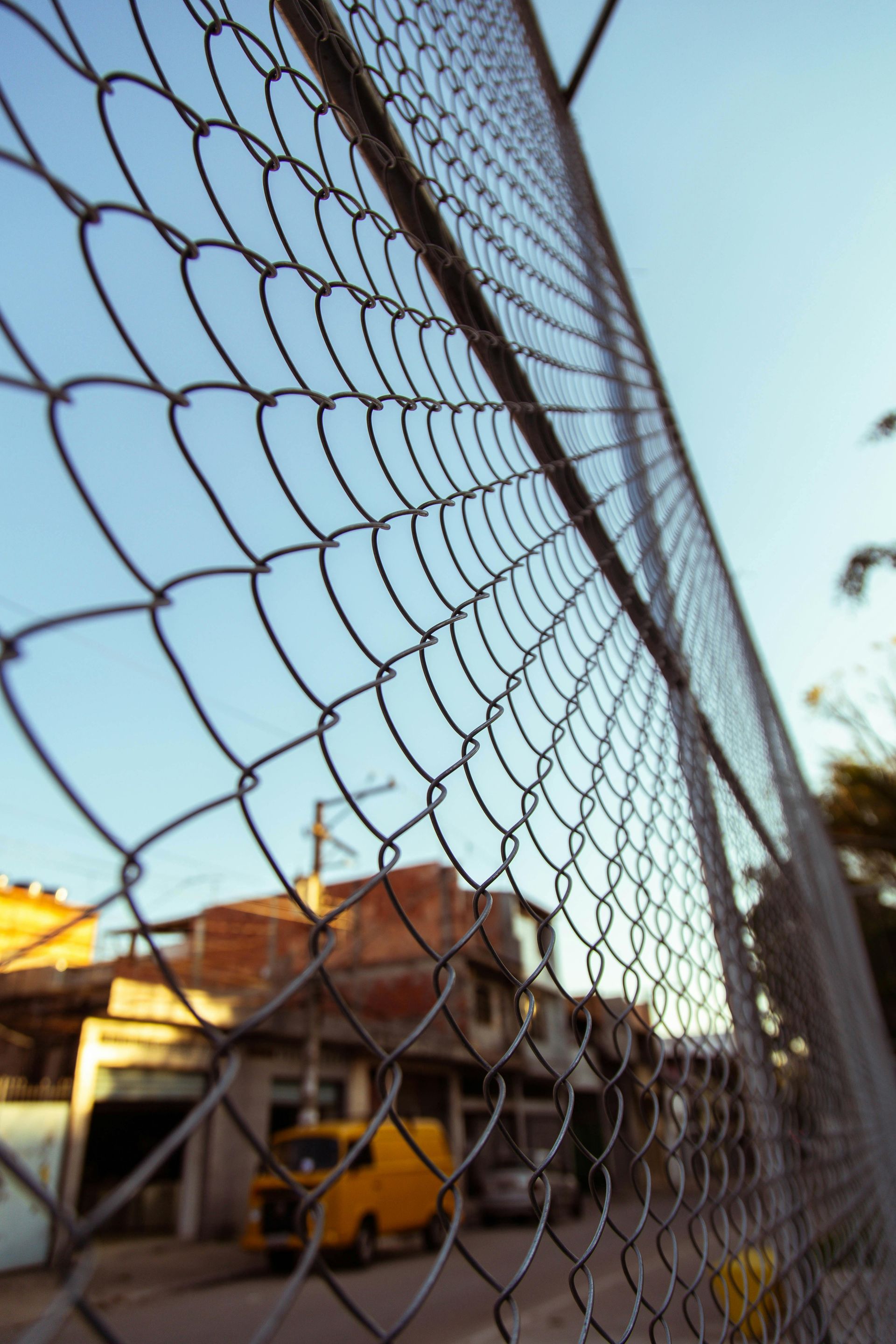
GT Fence provides professional chain link fence installation for residential and commercial properties with secure, affordable, and long-lasting fencing solutions.

Trusted Durham Fence Company for Modern Outdoor
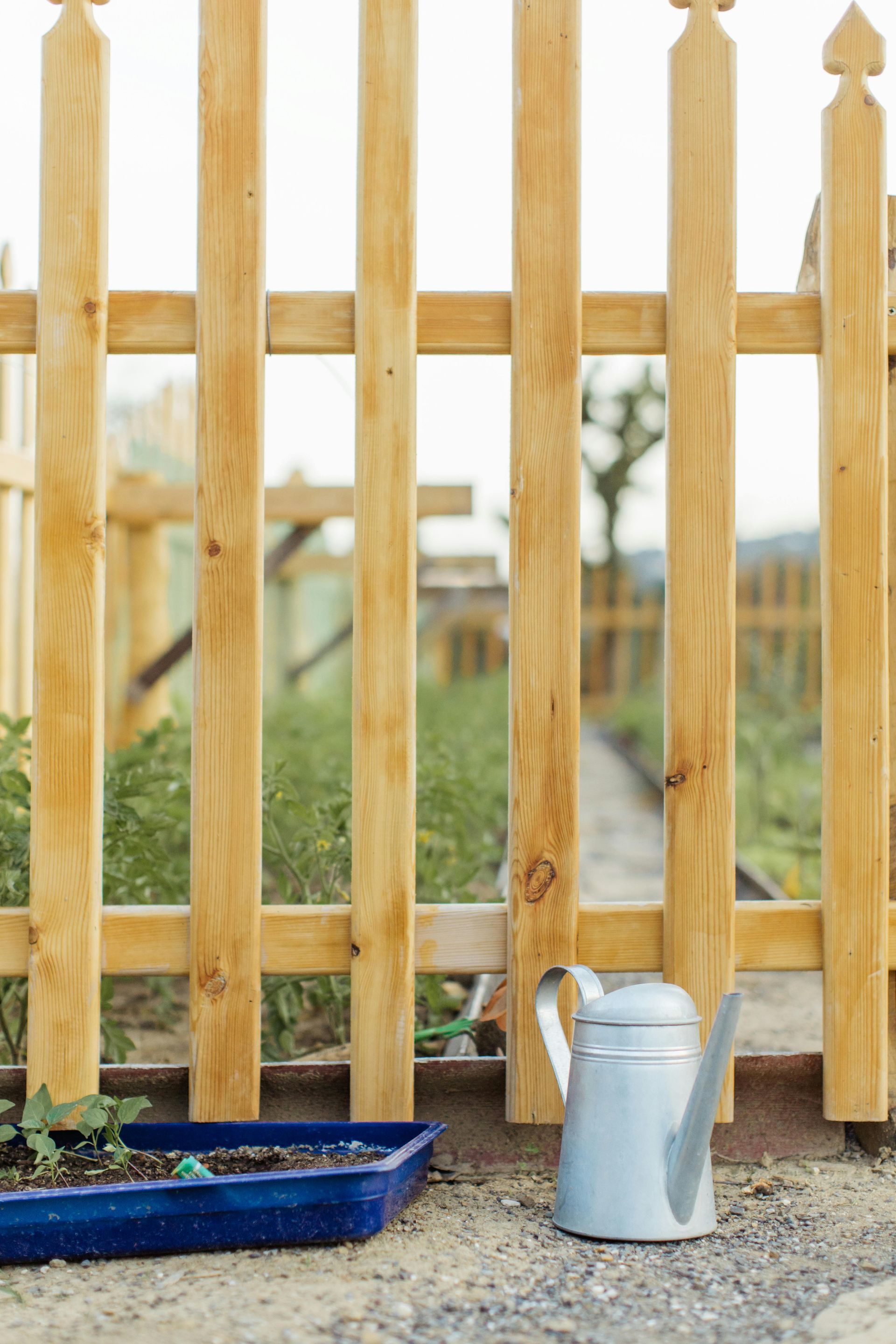
Looking for a reliable Raleigh fencing company? Discover expert wood fence installation, repair, and custom solutions by trusted Raleigh fence builders. Call us
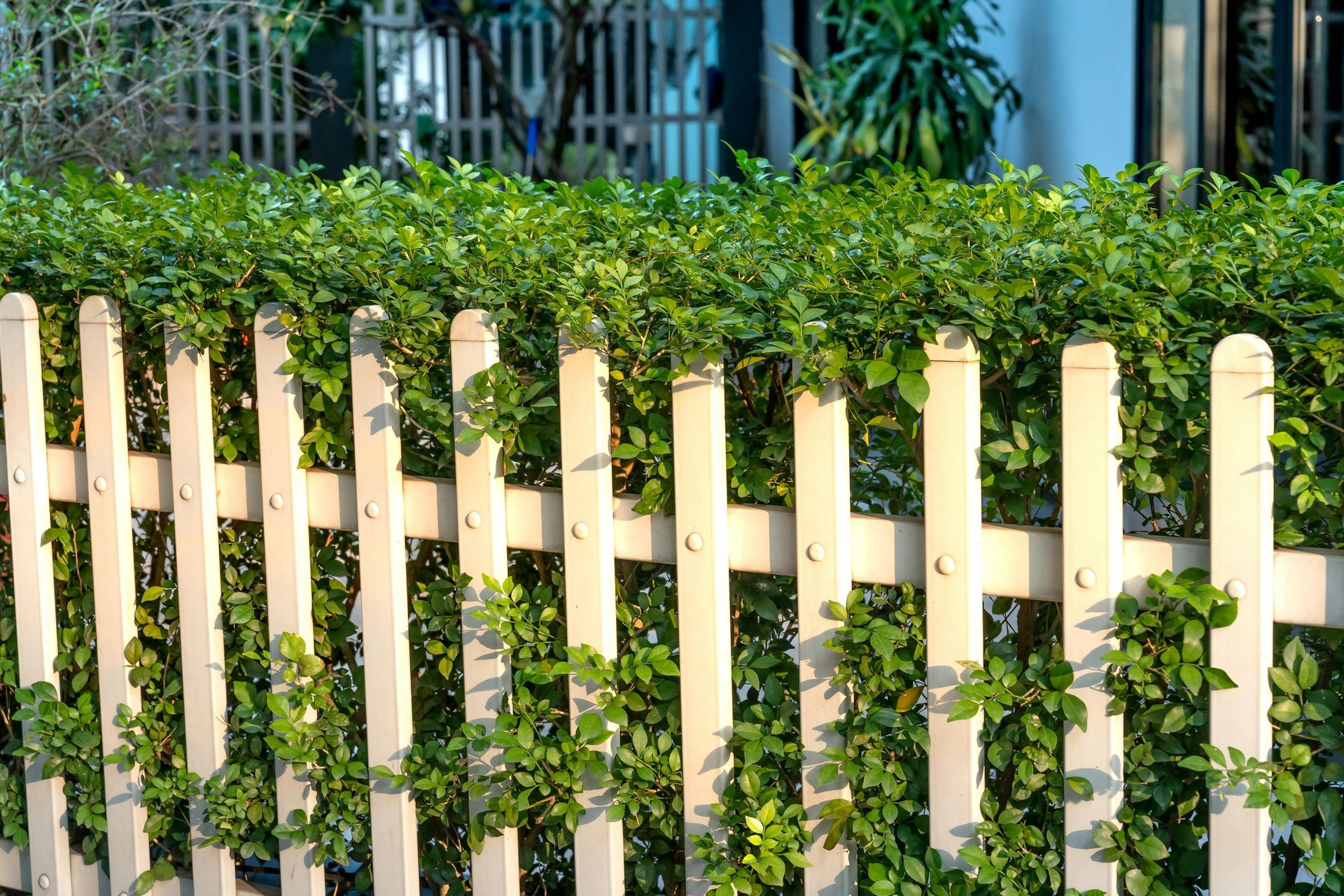
GTF Fence NC is a trusted fence contractor Cary offering expert vinyl fence installation and repair. Get durable, low-maintenance fencing that boosts privacy.

Choose the best Durham fence company with GT Fence NC—your trusted experts for fence installation, repair, and top notch fencing solutions in Durham NC.
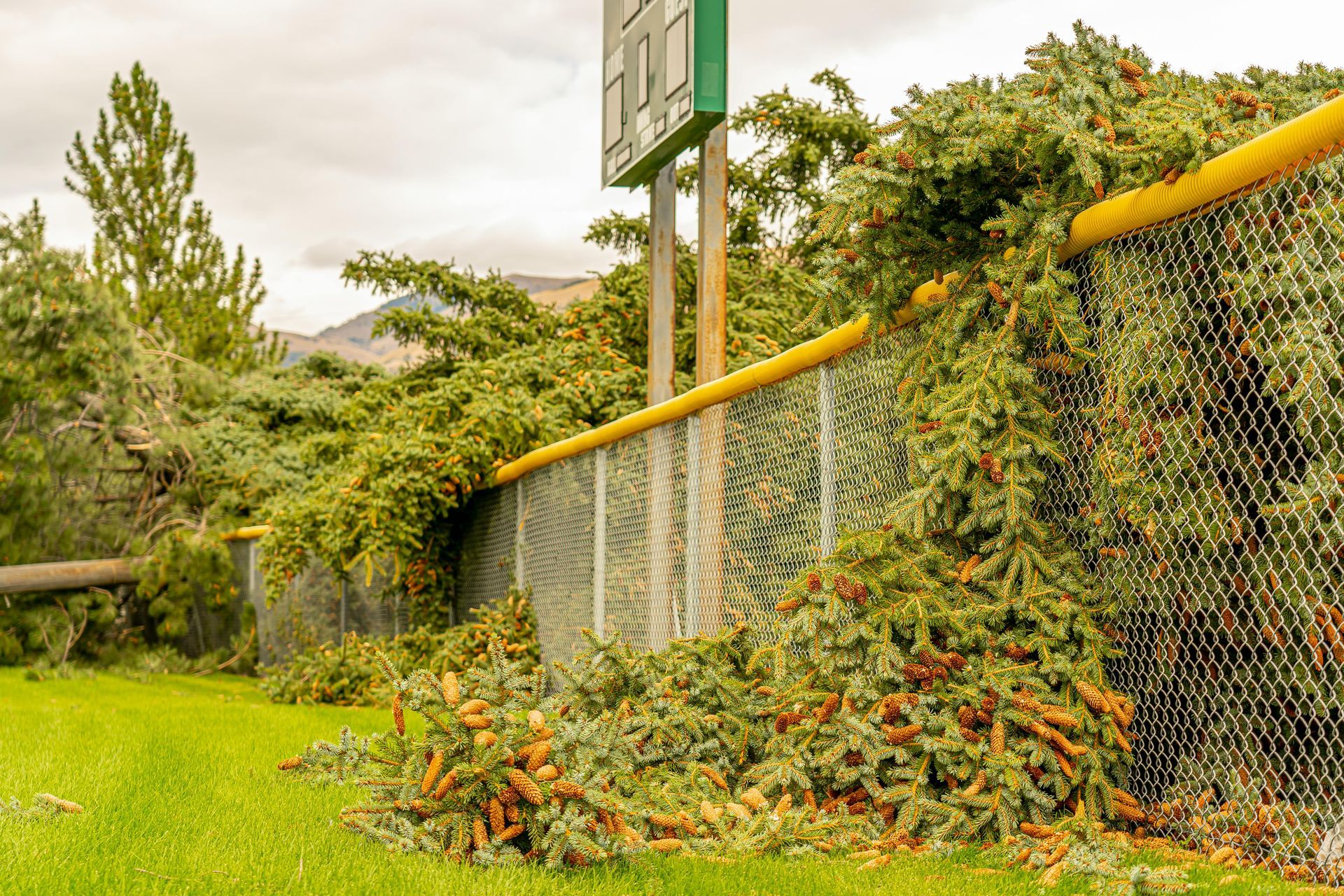
Learn how long a chain link fence lasts and what affects its lifespan. GTFence,offers expert solutions for long-lasting fencing.

How to Maintain Vinyl Fencing Raleigh Homeowners Install for Maximum Lifespan Vinyl fencing has become one of the most popular choices for homeowners who want durability, low maintenance, and long-term value. If you have invested in vinyl fencing Raleigh properties rely on for privacy and curb appeal, proper care will help ensure it lasts for decades. While vinyl fences require far less upkeep than traditional wood fencing, they still benefit from routine maintenance and seasonal attention. Raleigh’s climate includes humid summers, occasional heavy storms, pollen-heavy springs, and fluctuating temperatures throughout the year. These environmental factors can affect any outdoor structure. With a proactive approach, you can protect your investment and maintain the clean, polished look that vinyl fencing is known for. Why Vinyl Fencing Raleigh Homes Choose Is Built to Last O ne reason homeowners choose vinyl fencing Raleigh installations is durability. Unlike wood, vinyl does not rot, warp, or require staining. It resists moisture, insects, and most weather-related damage. However, dirt buildup, mildew, algae, and storm debris can still impact appearance and structural stability over time. Understanding how local weather conditions affect fencing materials allows homeowners to take the right preventative measures. Raleigh’s humidity can encourage mildew growth, while strong winds may loosen posts if not properly secured. Routine inspection and cleaning are key to maximizing lifespan and preserving both functionality and aesthetics. Routine Cleaning for Vinyl Fencing Raleigh Properties Keeping your fence clean is the most important step in long-term care. Fortunately, vinyl fencing is simple to maintain compared to wood or metal alternatives. Here’s a practical cleaning routine: • Rinse the fence with a garden hose every few months to remove dust and pollen • Use mild soap and warm water to scrub surface stains • Apply a soft-bristle brush or cloth to avoid scratching • Rinse thoroughly to prevent residue buildup For tougher stains caused by algae or mildew, a mixture of water and white vinegar can be effective. Avoid harsh chemicals or abrasive pads, as these may damage the protective outer layer. Spring and fall are ideal times for deep cleaning. Regular maintenance prevents discoloration and keeps your fence looking new year-round. Inspecting for Damage After Storms Raleigh occasionally experiences heavy rain and strong winds. After major storms, inspect your vinyl fence carefully. Look for: • Loose posts • Shifting panels • Cracks or impact damage • Gate misalignment Catching small issues early prevents larger repairs later. If posts feel unstable, professional reinforcement may be necessary to maintain structural integrity. Homeowners who work with experienced contractors ensure that posts are set properly in concrete footings, reducing the risk of movement during severe weather. Preventing Mold and Mildew in Humid Conditions Humidity can contribute to mold and mildew growth on any outdoor surface. While vinyl resists moisture better than wood fencing, it is still important to monitor shaded areas where moisture lingers. Trim back nearby shrubs and trees to allow airflow and sunlight. Keep sprinklers positioned so they do not constantly spray the fence. Proper drainage around fence posts also prevents water accumulation at the base. Regular cleaning combined with proper landscaping significantly reduces mildew buildup and extends the lifespan of vinyl fencing Raleigh homes depend on. Protecting Fence Posts and Foundations The stability of your fence depends heavily on the condition of its posts. Even high-quality materials require a strong foundation. Check that: • Soil erosion has not exposed post bases • Concrete footings remain intact • Posts are straight and secure If you notice leaning or instability, contact a professional fence contractor promptly. Addressing foundation issues early protects the entire fence structure. Proper installation plays a major role in long-term performance. Choosing skilled installers from the start reduces maintenance concerns later. Avoiding Common Maintenance Mistakes Although vinyl fencing is low maintenance, certain mistakes can shorten its lifespan. Avoid: • Pressure washing at extremely high settings • Painting or staining vinyl panels • Using harsh solvents • Allowing vines to grow directly on panels Excessive pressure washing can weaken panels or force water into joints. Decorative plants should be kept nearby but not attached directly to the fence. By following manufacturer recommendations and seeking professional advice when unsure, you preserve both warranty coverage and durability. Seasonal Care Tips for Raleigh Homeowners Each season presents unique considerations for fence care. Spring: Remove pollen buildup and inspect for winter-related shifting. Summer: Monitor UV exposure and clean mildew-prone areas. Fall: Clear leaves and debris around posts to prevent moisture retention. Winter: Inspect after freezing temperatures for any structural movement. Consistent seasonal checks ensure your vinyl fencing Raleigh property owners value remains secure and visually appealing. If you want peace of mind, schedule a professional inspection annually to ensure your fence remains in excellent condition. When to Call a Professional While routine cleaning can be handled by homeowners, certain situations require expert attention: • Large cracks or broken panels • Significant leaning or instability • Gate hardware failure • Post replacement needs A professional fence company can assess the issue, recommend repairs, and restore structural strength safely. Additionally, if you’re considering expanding your fencing or upgrading sections, working with experienced contractors ensures seamless integration with existing materials. Comparing Vinyl to Wood Fence Maintenance Some homeowners debate between vinyl and wood fencing. Wood fences require staining, sealing, and protection against rot and insects. In contrast, vinyl fences only require occasional cleaning and inspection. While wood offers a traditional aesthetic, vinyl provides superior resistance to moisture and pests in Raleigh’s humid climate. Many property owners ultimately choose vinyl for its reduced upkeep and long-term reliability. If you’re evaluating your fencing options, consulting with knowledgeable professionals can help you weigh the benefits of each material. Long-Term Value of Proper Maintenance A well-maintained vinyl fence can last 20 to 30 years or more. Proper care protects your property value, enhances privacy, and improves curb appeal. By implementing routine inspections, gentle cleaning methods, and seasonal adjustments, you ensure your fence continues to perform as intended. If you’re unsure whether your current fence needs professional attention, now is the time to schedule an evaluation. Preventative care is always more affordable than major repairs. At GT Fence NC, we provide expert installation and maintenance guidance for homeowners throughout Raleigh. Our team understands local weather conditions, soil stability, and building standards to ensure long-lasting results. Whether you need repairs, upgrades, or new fence installation, we are committed to quality craftsmanship and dependable service. Contact GT Fence NC today to protect your investment and keep your vinyl fence looking its best for years to come.
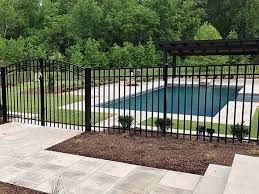
GT fence provide professional aluminum fencing installation, durable materials, and expert craftsmanship. Call us for a free estimate on your fencing project.
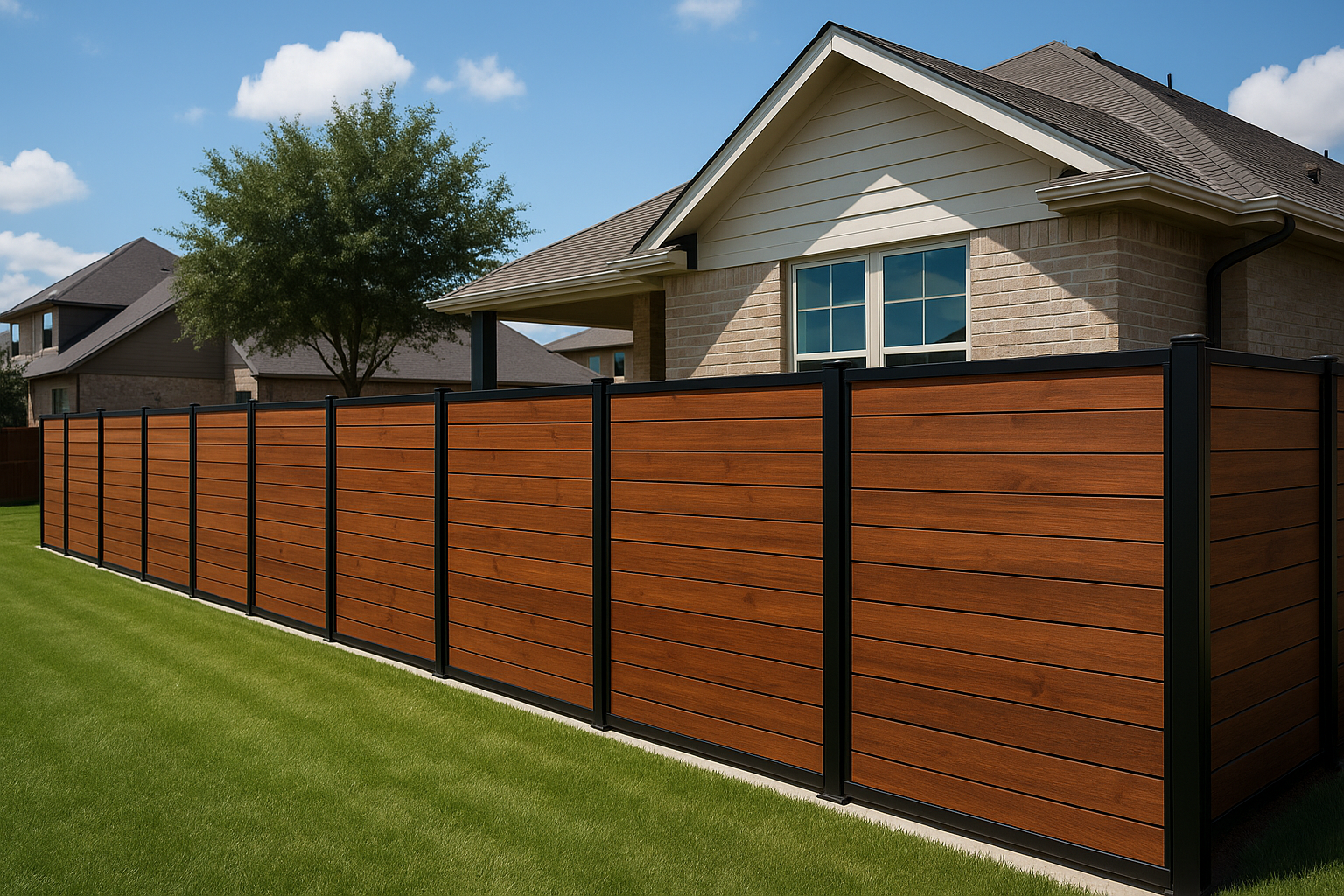
Trusted fencing companies Raleigh NC use proven methods to ensure durable, code-compliant fence installation. Learn how local experts deliver quality results.